




Dallas’s underground infrastructure is trying to keep pace with one of the fastest-growing metros in the country, and the ground underneath it isn’t cooperating. North Texas’s notorious shrink-swell clay moves with every wet and dry cycle, putting constant stress on pipe joints across the metroplex.
For engineers and contractors managing sewer rehabilitation across Dallas and surrounding counties, inflow and infiltration (I&I) has become a growing concern as Dallas Water Utilities works to keep an aging collection system ahead of relentless suburban expansion. Recent intense summer thunderstorms and flash flooding events have continued to test a wastewater collection system that was never built for this much impervious surface.
Two Sources, One Overstretched Network
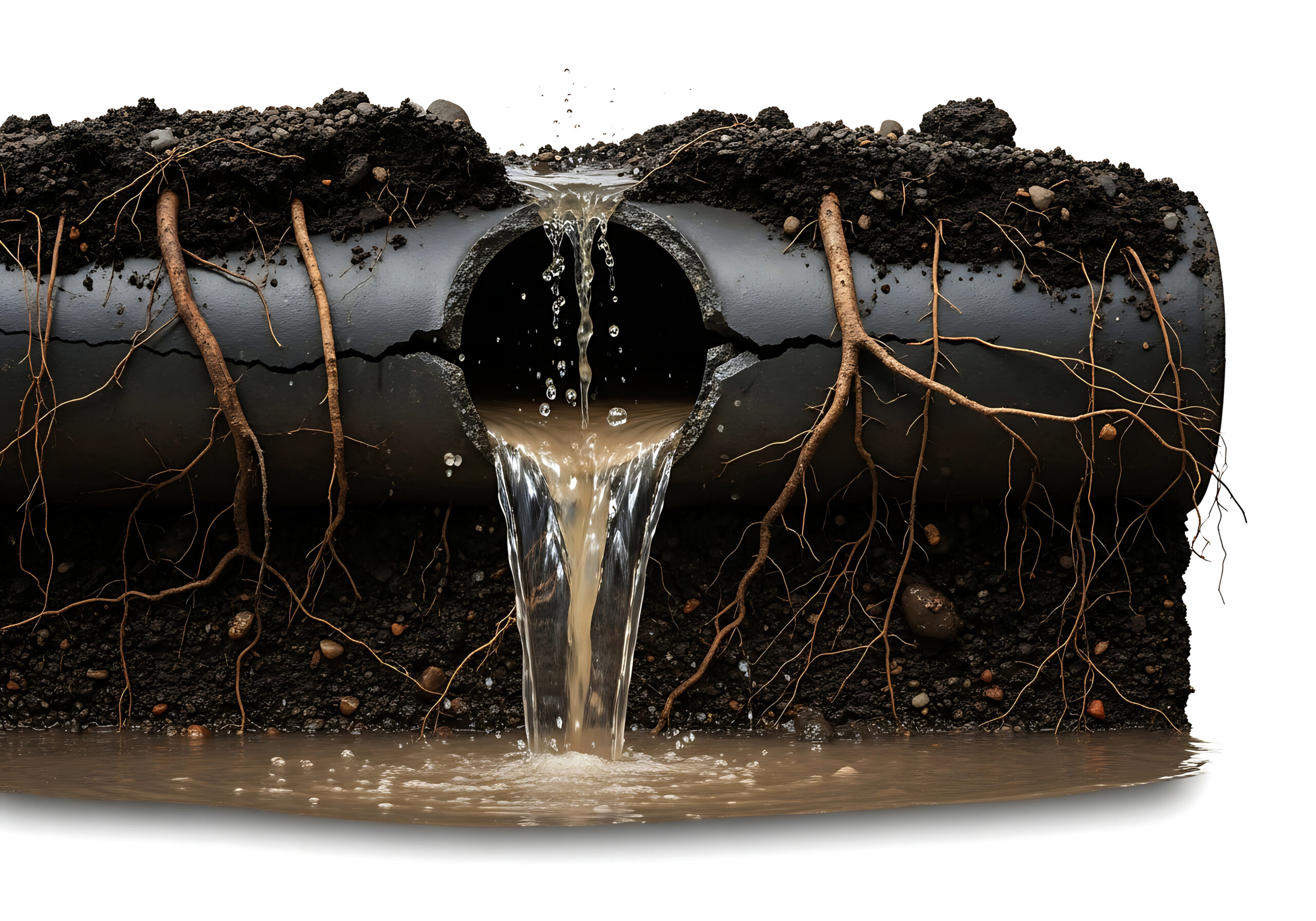
Groundwater infiltration in Dallas occurs when cracked or broken pipes, leaking pipe joints, and deteriorated manholes let water seep into the sanitary sewer system, a problem the region’s clay soil makes worse. Sewer inflow takes a more direct path, entering through roof drains, yard drains, and other surface connections tied straight into the line.
Both draw down sewer capacity fast in a metro adding this many new residents every single year. Every new subdivision and business park across the Dallas-Fort Worth corridor adds runoff pressure, and a wastewater collection system already carrying excess flow has less room to spare once the next flash flood hits.
Why Shrink-Swell Clay Complicates the Fix
Dallas contractors turn to cured-in-place pipe (CIPP) to renew deteriorated sewer mains without tearing up busy corridors in neighborhoods like Oak Cliff and Lakewood, and the trunk line typically holds up well once the process is complete. The shrink-swell clay surrounding the rest of the system tells a very different story.
North Texas clay expands dramatically when saturated and contracts hard during drought, stressing laterals, connections, and manholes on a completely separate schedule from the mainline. A sewer main lined but infiltration persists is a pattern engineers see constantly here, since the clay keeps working on pipe joints through every swing between a wet spring and a dry Texas summer.
Common infiltration sources across Dallas include:
- Deteriorated laterals beneath older East Dallas and Oak Cliff properties
- Failed main-to-lateral connections stressed by shrink-swell clay movement
- Cracked host pipes weakened by root intrusion in sewer pipes near mature residential tree canopy
- Manhole joint failures allowing groundwater intrusion near Trinity River and creek corridors
- Aging clay and concrete pipe throughout Dallas’s pre-1970s residential grid
Confirming the Source Before Mobilizing a Crew
North Texas clay swings so hard between wet and dry that a single inspection can catch the system at a misleading moment. Pairing CCTV inspection and flow monitoring for I&I with smoke testing and flow monitoring for source identification across different soil conditions is what actually pins down whether the leak lives at the main, the lateral, the connection, or the structure.
From there, matching the fix to the finding is straightforward: mainline CIPP for structural trunk-line deterioration, cured-in-place pipe lateral lining for a compromised service line, main-to-lateral connection rehabilitation for a joint that clay movement has separated, manhole rehabilitation for a structure cracked by soil pressure, and injection grouting for a small, active, localized leak.
Why This Matters for Municipal Sewer Budgets
Dallas Water Utilities continues working to control the cost of pumping and treating unwanted groundwater as the region’s explosive population growth adds new demand to an aging collection system. Sewer overflows during heavy rain carry real regulatory consequences, and excess flow at pump stations and treatment plants becomes harder to manage as the metroplex keeps expanding outward.
Wastewater utility capacity management here depends on treating the network as one connected system, not a checklist of separate repairs. Specifying CIPP for municipal sewer projects handles the mainline, but rehabilitating public and private sewer laterals, connections, and manholes alongside it is what actually reduces wet-weather flows across a metro growing this fast on soil this reactive.
With this much growth landing on soil this reactive, an I&I reduction program only works if it treats mains, laterals, connections, and manholes as one job, not four separate ones.
Find a WRT-certified installer serving the Dallas-Fort Worth corridor to assess your collection system’s full scope of I&I sources.