



Trenchless Pipe Lining
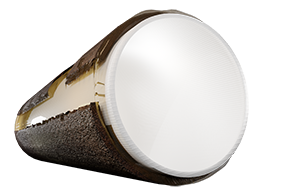
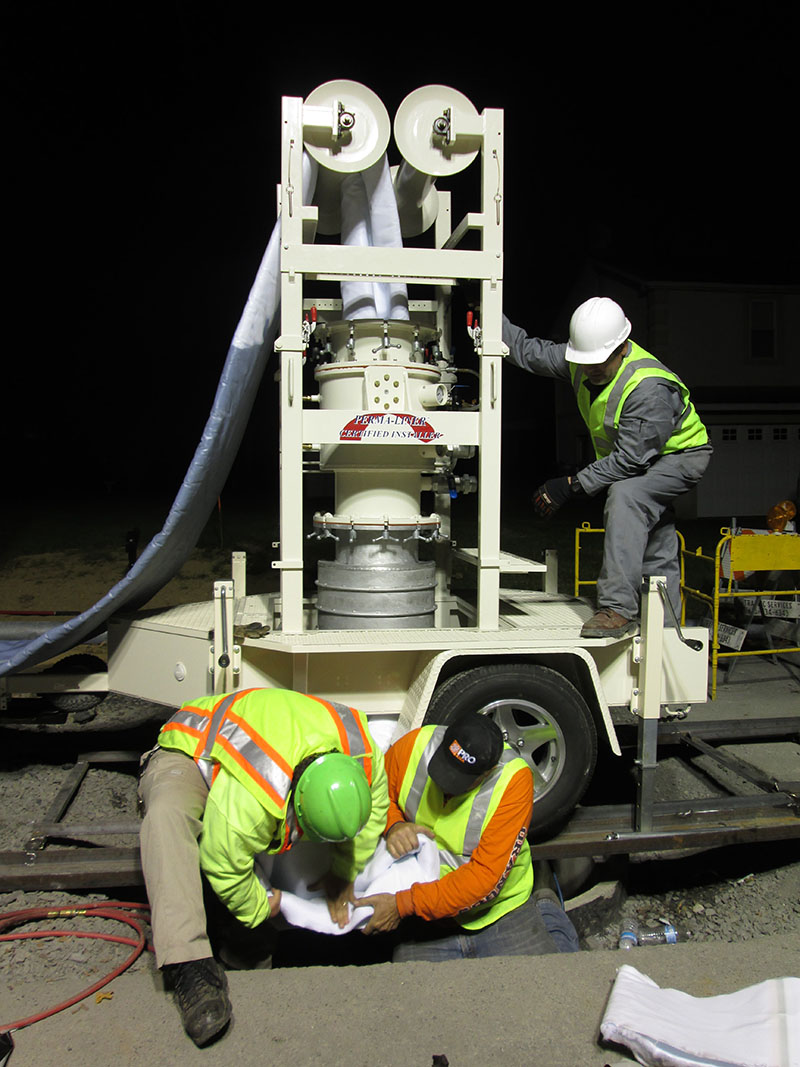
Trenchless pipe lining, also known as cured-in-place pipe (CIPP) lining, is a method used to repair existing pipelines without the need for extensive digging or excavation. Here’s how the process typically works: Assessment: First, the pipeline is inspected using cameras and other equipment to determine the extent of damage and the suitability for lining. Cleaning: […]
Why is CIPP Rehabilitation Alone Not Sufficient for a Sealed System?
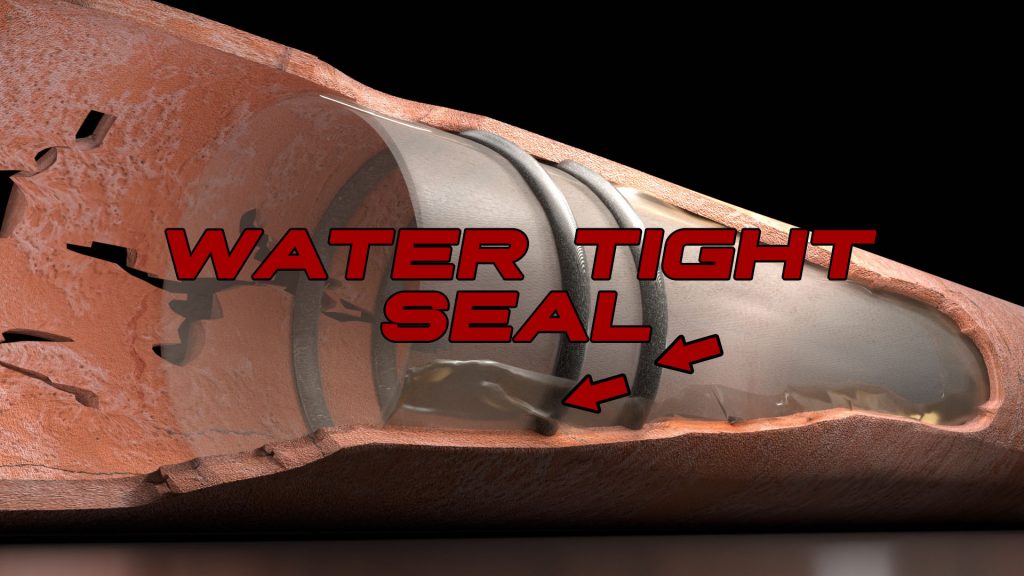
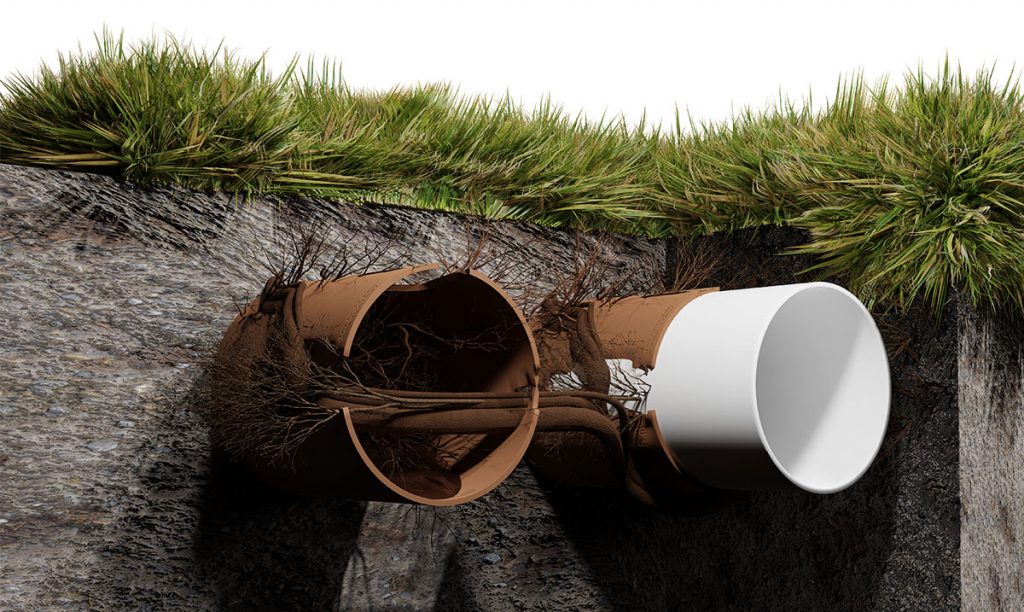
It is presumed that the resin in CIPP Liners bonds with host pipe, creating an effective watertight seal after cure. The truth is that resin shrinks due to polymerization leaving behind an annular space between liner and host pipe, allowing infiltration to migrate behind the new lining and re-enter into the collection system at lateral […]
Approvals & Standards – Are They End Game or Path Markers?
By John M Heisler Approvals & Standards – Are They End Game or Path Markers? “I’ve been installing liners for a while now and ran into an engineer who insists I provide all documentation showing that the material have approvals from an independent agency for the resin and tube to the thickness specified for his […]
Tried & Tested Materials
My usual supplier provided me with a “new improved” product but after several failures of the new improved lining material I’m not so sure. How do you introduce new products to the market? One of our core values at Waterline Renewal Technologies and our family of companies is to test, retest then have independent laboratories […]
Casting the Future of Pipe Rehabilitation

Casting the Future of Pipe Rehabilitation When two leaders in a field see an opportunity to combine forces the outcome can become more than the sum of 1 + 1 = 2. In the case of Pipe Lining Supply and Perma-Liner Industries, we saw the potential of combining technologies that would propel the industry to […]
Sewer Lines to Finally be Maintained
More than 430 miles of public sanitary sewer lines and 5,947 manholes need to be effectively maintained to help prevent sanitary sewer overflows. Sanitary sewer systems collect and transport domestic, commercial, and industrial wastewater to treatment facilities. Creek bank failure due to heavy rainfall is a common cause of sanitary sewer overflows, as the large […]
Failing Pipe Causes Win for Some Residents in Killeen
Repairing a sewer line can be quite expensive but most homeowners don’t know they’re responsible for the sewer laterals. Repairs can be upwards of $25,000 and most people don’t have that kind of money for repairs and homeowners insurance won’t cover the cost. Some residents near Killeen recently voiced their concerns – and frustrations – […]
Cured-In-Place-Pipelining Demonstration Days July 18 – 19
Perma-Liner Industries, LLC. to Hold Live Cured-In-Place-Pipelining Demonstration Days and Educational Sessions Open House will be held in Anaheim, Cali. on July 18 – 19 ANAHEIM, Cali. – With state-of-the-art technology options, it is not necessary to dig up aging or failing pipes to repair them. There is an efficient and cost-effective way to repair […]
Epoxy vinyl ester resin brings many advantages to CIPP industry

Perma-Liner™ Industries, LLC. (“Perma-Liner”), the leading manufacturer and supplier of trenchless pipeline rehabilitation equipment and materials in North America, is introducing a new high-performance epoxy vinyl ester resin called Perma-Liner™ Vinyl Ester. The resin is Bisphenol-A Epoxy-based dissolved in styrene and is available now for purchase. “We are excited to introduce our newest resin into […]
America’s Failing Water Infrastructure: There are Ways We Can Begin to Fix It
There are many variables threatening America’s water from pollution issues and aging infrastructure to raising costs and droughts and rainfall patterns as the climate changes. The U.S. used to be a leader when it came to water infrastructure and management. Now, the U.S. is lagging behind receiving D ratings for dams, drinking water and wastewater. […]